
About
We hang the paper you picked.
Incentive Wallcovering hangs wallpaper across New York and New Jersey. Most of it is residential — homeowners and interior designers — and we take commercial work too, for general contractors, architects and property managers.
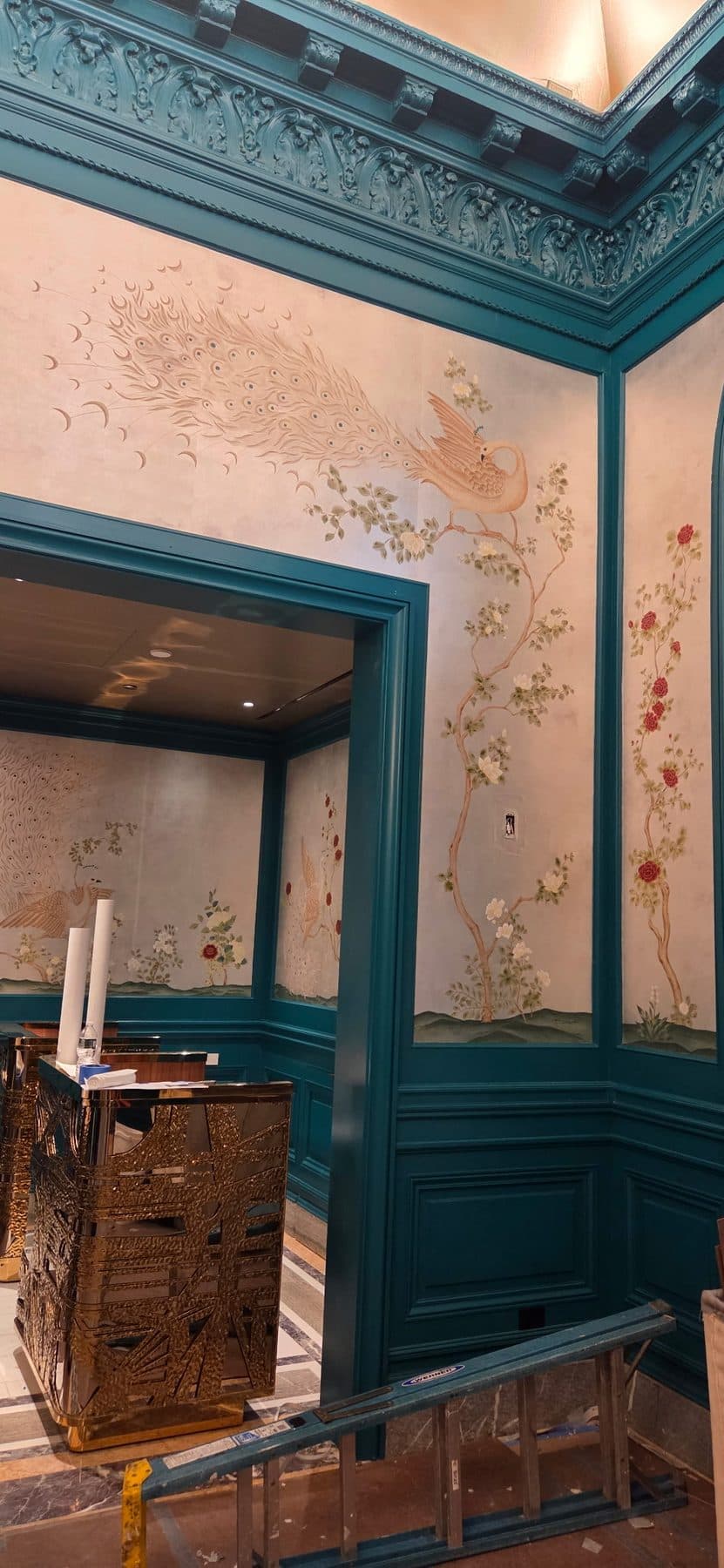
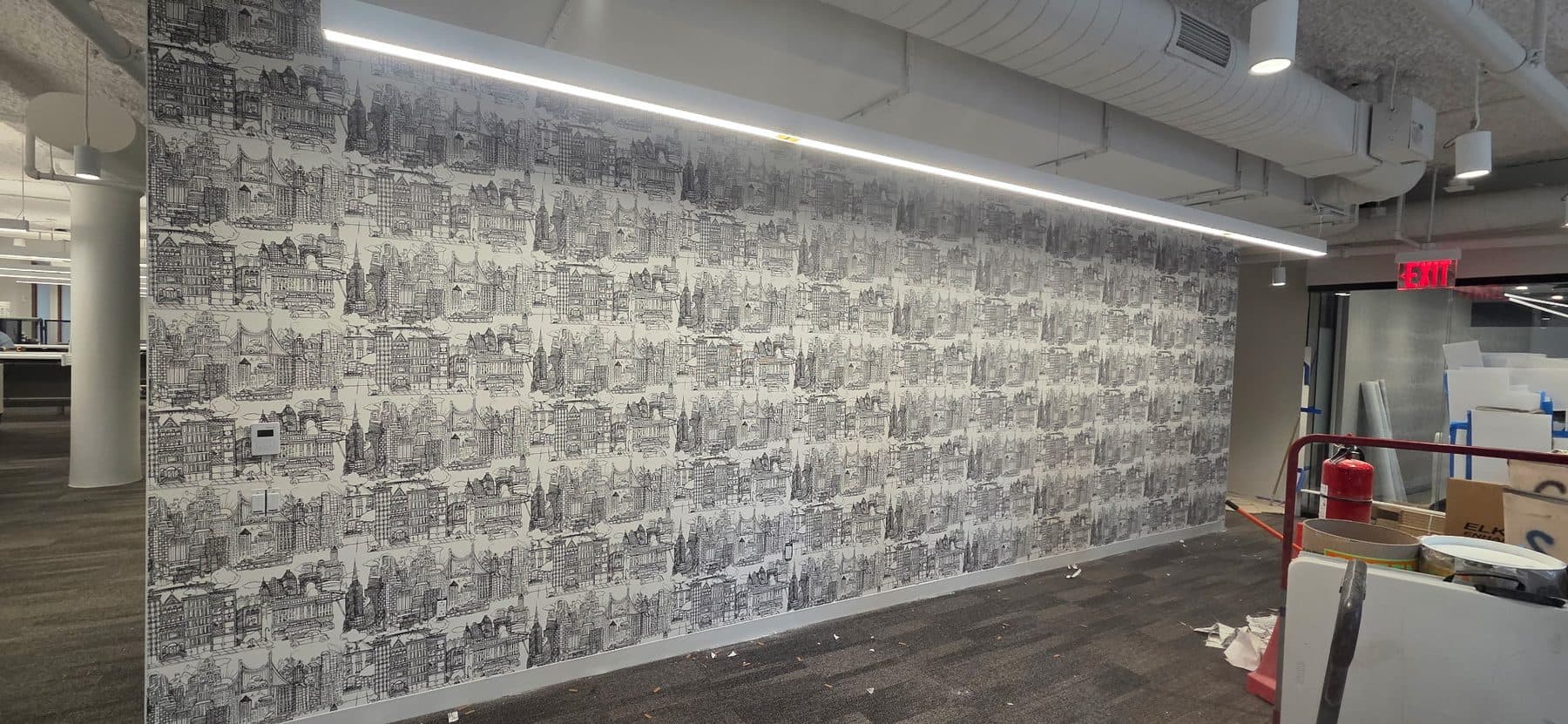
A panel-numbered scenic in a dining room where every seam has to land right the first time, or a corridor of vinyl in an office fit-out. Different material, same discipline: read the wall, plan the layout, prime, and don’t start until the wall is ready.
We work in homes people are living in and spaces still being built. Either way: floors covered, furniture protected, scrap hauled out at the end of the day.
- Service area
- New York & New Jersey
- Mostly
- Homes — commercial too
- Status
- Licensed & insured
- Hours
- Monday–Friday, 7am–5pm
How a job runs
Five steps, and none of them get skipped.
01
Look at the wall
Before we look at the paper we look at what it's going onto. If the wall needs patching, skimming or an old covering taken off, that's a painter's job — we'll say so up front rather than hang goods onto a surface that won't hold them.
02
Measure and price
Off the room or off the drawings, plus the pattern repeat, the drop match and the waste. You get a number that accounts for what the job actually consumes, not the roll count on the spec sheet.
03
Prime
Wallcovering primer, not paint. It is the step that decides whether the seams are still closed in two years, and it is the step most often cut.
04
Plan the layout, then hang
Where the first strip lands sets every seam after it. We plan the starting point, the kill point and the panel sequence on murals before anything is cut.
05
Walk it with you
Seams, corners, cutouts, outlet trims. We clean up, take the scrap away with us, and close out anything outstanding rather than leaving it for someone else to chase.
Who we work for
Homeowners get someone careful in a finished house: we arrive when we said we would, cover the floors and the furniture, and the room is clean when we leave.
Designers and architects get an installer who will flag a problem — a repeat that won’t work on that wall, a wall the goods won’t hold to — before it becomes a change order.
General contractors and property managers get a sub who reads the finish schedule, shows up in the window they were given, and closes out the punch list.
Get a quote